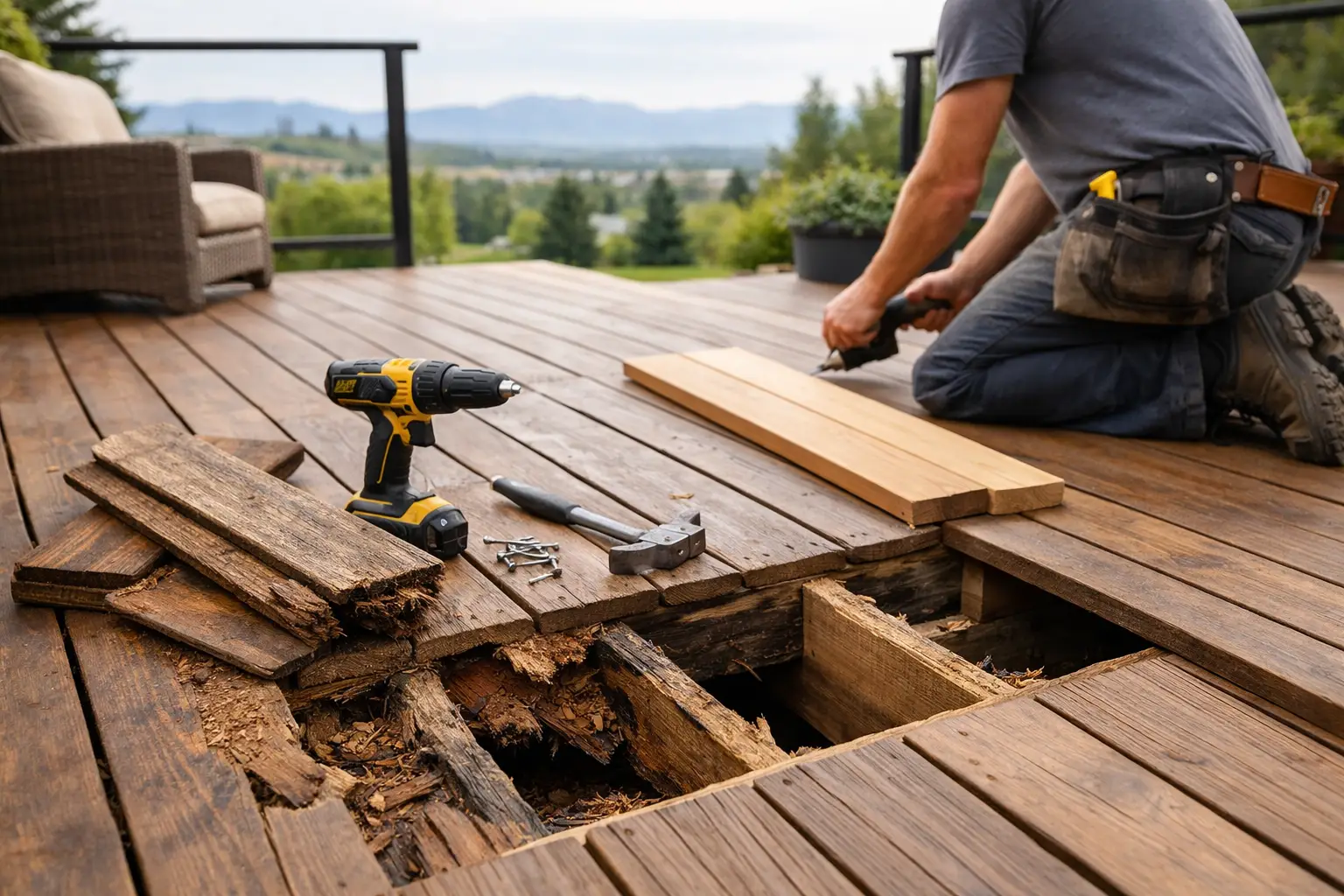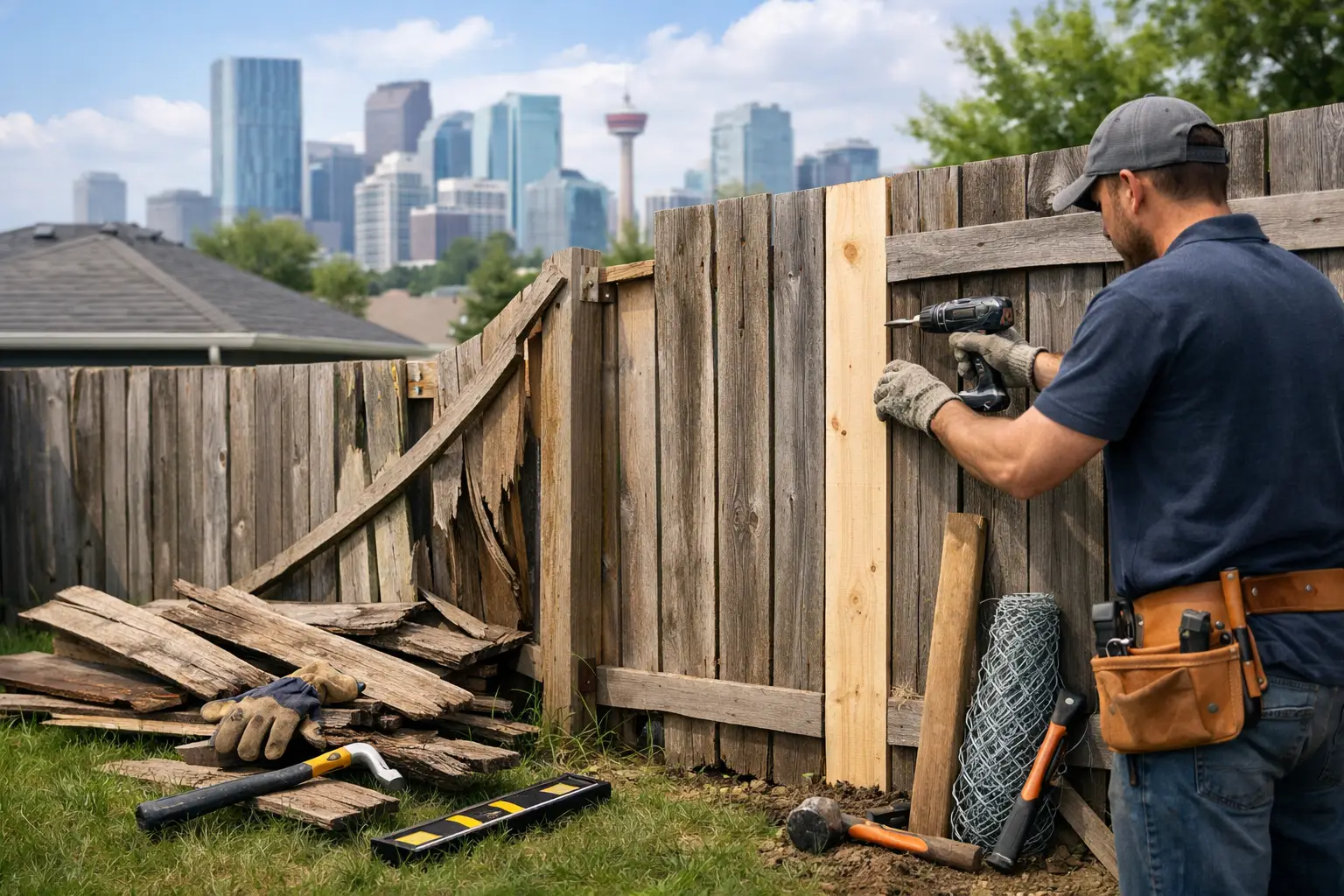
Fence Repair Calgary: What to Fix Now
By Vitalii Nestorenko · June 23, 2026 · 7 min read
A fence usually does not fail all at once. It starts with a loose board after a windstorm, a gate that drags, a post that shifts a little more each season, or a bottom rail that stays wet too long after the snow melts. If you are looking into fence repair Calgary homeowners actually need, the real question is not just how to patch the damage. It is how to stop a small problem from turning into a full replacement.
In Calgary, fences take a beating. Freeze-thaw cycles move posts. Chinooks soften ground and expose weak spots. Heavy snow loads, dry summer sun, and strong winds all shorten the life of wood if repairs are delayed. That is why quick, practical repair work matters. A good repair protects privacy, improves safety, and buys you more years from the fence you already have.
When fence repair makes sense
Not every damaged fence needs to be torn out and rebuilt. In many cases, a targeted repair is the smarter call. If most of the fence line is still solid, replacing a few boards, resetting a post, tightening hardware, or rebuilding one weak section can restore function without the cost of starting over.
This is especially true when the issue is isolated. One leaning post near the gate, a section loosened by wind, or a handful of cracked pickets does not automatically mean the entire structure is done. A repair-focused approach works well when the damage is local, the surrounding wood is still sound, and you want to avoid a bigger project during a busy season.
The trade-off is simple. A repair extends life, but it does not make an older fence brand new. If multiple sections are rotting, several posts have shifted, and the gate area has been patched more than once, repair may still help in the short term, but replacement could be the better value long term.
Common fence problems in Calgary yards
Leaning or loose posts
This is one of the most common calls. Posts lean when the soil moves, the footing loosens, or the wood below grade starts to fail. A leaning post puts stress on rails and gate hardware, so it rarely stays a one-post problem for long.
Sometimes the fix is straightforward. A post can be reset and reinforced if the surrounding section is still in decent shape. Other times, the base has deteriorated enough that replacement is the safer option. It depends on the age of the fence, the condition of nearby posts, and how much movement has already happened.
Broken boards and missing pickets
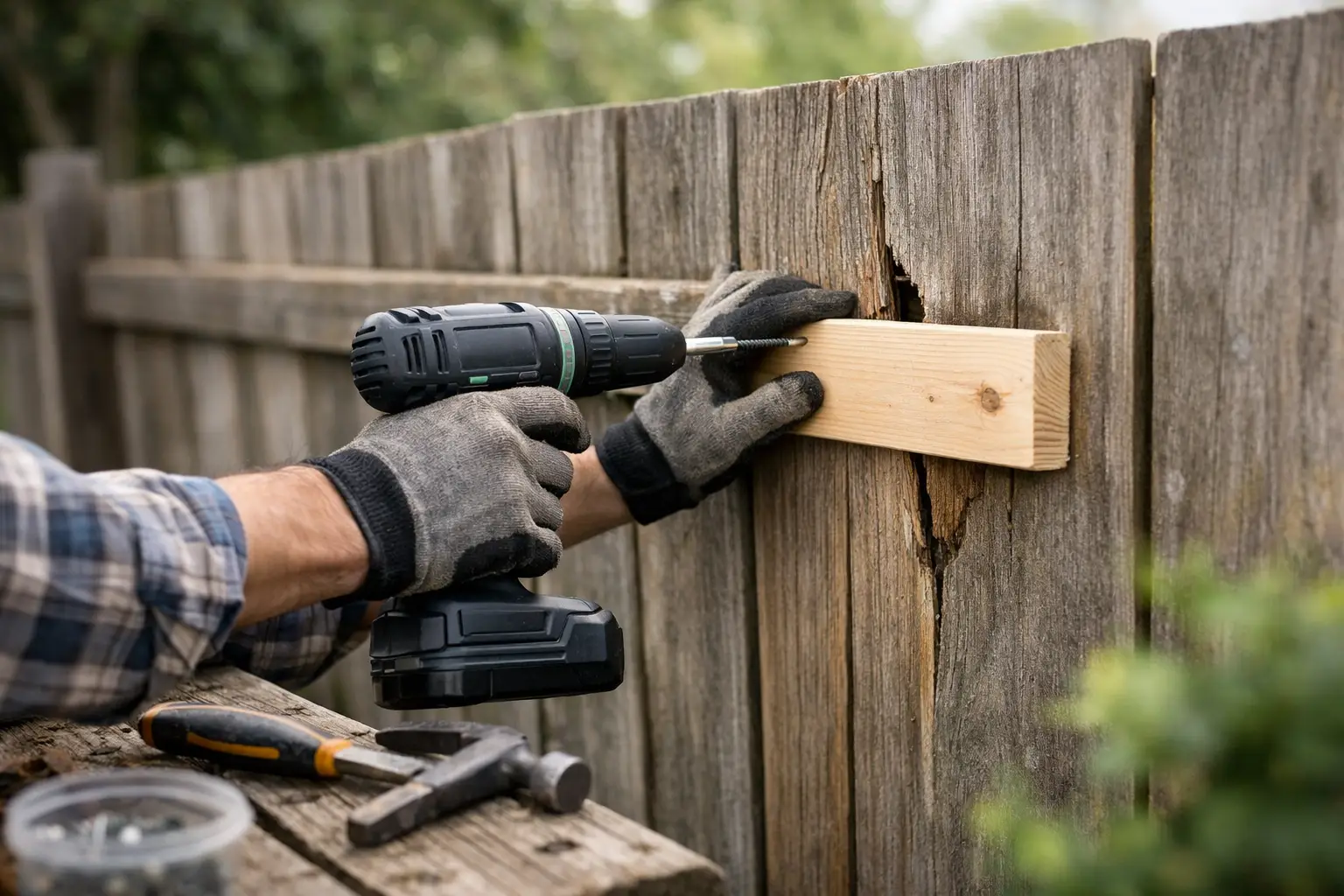
Cracked, split, or missing boards affect more than appearance. They reduce privacy, weaken the section, and create easy points of failure in strong wind. If children or pets use the yard, damaged boards also become a safety issue.
This kind of repair is usually quick and cost-effective when caught early. Matching the existing style and spacing matters, especially if only one panel needs work. A careful repair should blend into the fence rather than look like an obvious patch job.
Sagging or dragging gates
Gates work harder than any other part of a fence. They swing, shift, loosen, and carry more hardware stress than a standard panel. If your gate drags on the ground, does not latch properly, or pulls away from the hinge side, the problem may be the gate frame, the hardware, or the supporting post.
A proper fix starts with identifying the real source. Replacing hinges alone will not help if the post has moved. Likewise, straightening a gate is only a temporary fix if the frame has twisted beyond repair. This is one of those cases where guessing usually costs more than doing it right the first time.
Rot and moisture damage
Calgary is dry compared with many places, but fences still deal with trapped moisture, especially near grade level, around sprinklers, and in shaded areas where snow sits longer. Rot often starts at the bottom of boards, the ends of rails, or the buried portion of wood posts.
Surface wear can often be repaired. Deep rot is different. Once structural wood has softened, cracked, or started crumbling, replacement of the affected pieces is the safer choice. A solid-looking fence can still be weak where it matters most.
Fence repair Calgary homeowners should not put off
Some issues can wait a few weeks. Others should be handled quickly.
A loose gate latch, a fence panel ready to fall into a neighbour's yard, exposed nails, and unstable posts are worth fixing right away. The same goes for storm damage. After a wind event, one weakened section can collapse with the next gust, even if it is still standing today.
Delaying repair often increases the scope of work. A single broken rail can lead to board movement. Board movement can stress the next post. Then a small repair becomes a partial rebuild. Fast action usually saves money, especially when the fence is still mostly healthy.
Repair or replace? It depends on these factors
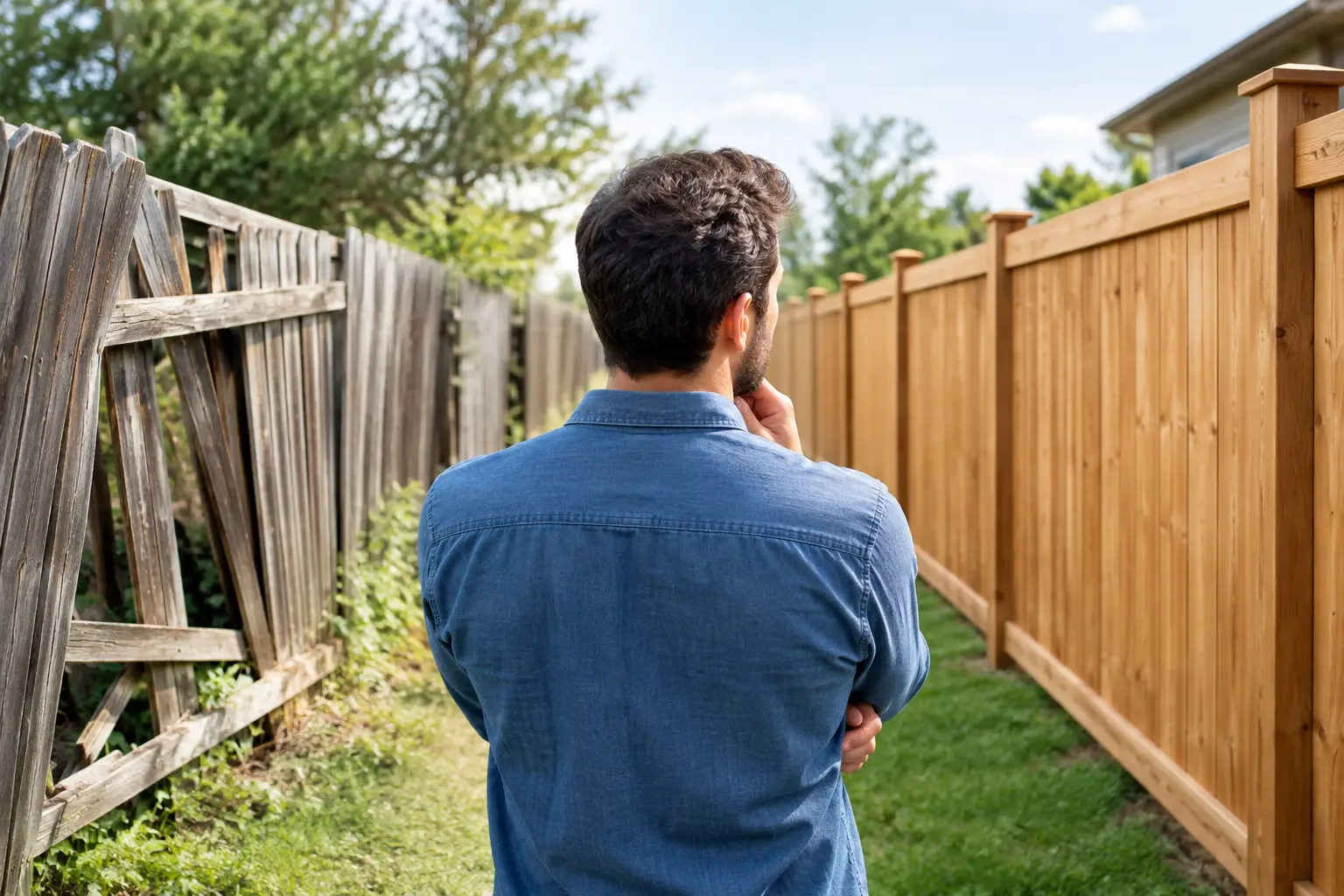
There is no honest one-size-fits-all answer here. The right choice depends on condition, age, and what you want from the fence.
If the damage is limited to one area and the rest of the fence is stable, repair is often the practical move. If you are preparing a rental property, tidying up before listing a home, or simply trying to get a few more years from an existing fence, targeted repair can make a lot of sense.
If the fence has widespread rot, repeated post failure, major warping, or years of deferred maintenance, replacement may save frustration. You do not want to keep paying for section-by-section fixes on a structure that is nearing the end of its life.
A good service provider should tell you when repair is worth doing and when it is not. That kind of honesty matters more than a hard sell either way.
What a professional fence repair should include
A proper repair is not just swapping out a visible broken piece. It starts with checking the surrounding structure. If one board split because the rail behind it failed, the rail has to be addressed too. If a gate is sagging because the post is loose, you fix the support, not just the symptom.
Good repair work also pays attention to alignment, spacing, hardware, and clean fastening. That affects how the fence looks, but it also affects how long the repair holds. Crooked boards, poor fastening, or rushed post work usually show up again fast.
For many homeowners and landlords, the biggest value is having one dependable person handle it properly, clean up after the job, and leave the yard in good shape. That is a big part of why practical handyman service works so well for fence repairs. You get the fix without the hassle of chasing a full fencing crew for a smaller job.
How to get more life out of your fence after repair
Repairs last longer when the fence is given a bit of regular attention. You do not need a major maintenance routine, but a quick visual check after storms helps. Watch for new movement around posts, tightening issues at the gate, and boards that stay damp or sit too close to soil.
It also helps to keep sprinklers from soaking the same area daily and to clear heavy debris or snow buildup where moisture tends to linger. Small habits can make a repaired section hold up much better through the next season.
If you have several outdoor fixes piling up at once, it can make sense to bundle them. Fence work, gate adjustment, deck touch-ups, yard cleanup, and small exterior repairs are often easier to tackle in one visit. For busy households, that kind of efficiency matters.
Choosing help for fence repair Calgary jobs
When hiring for fence repair Calgary properties, speed matters, but so does judgment. You want someone who shows up on time, explains the condition clearly, and repairs what actually needs fixing without turning a modest job into an oversized project.
Look for straightforward pricing, insured service, and someone who treats the property with care. Fences sit along gardens, walkways, garages, and shared property lines. Clean work and respectful communication are part of the job, not extras.
Nestor's Home Help is built for this kind of practical repair work - the jobs homeowners need done quickly, properly, and without unnecessary runaround. That is often the difference between another unfinished task on your list and a fence that is secure again by the end of the day.
A fence does not need to be perfect to do its job, but it does need to be stable, safe, and worth keeping. If yours is leaning, dragging, cracking, or coming loose, fixing it sooner usually gives you the best outcome for the least stress.
Vitalii Nestorenko is the owner of Nestor's Home Help, a licensed and insured handyman business in Calgary. He holds a Master's degree in mechanical engineering and does every job himself.