Debris Removal Calgary: What Can Be Hauled Away
By Vitalii Nestorenko · October 2, 2026 · 6 min read
A basement full of torn-out carpet, a broken fence stacked beside the garage, and old shelving leaning in the hallway can make a home project feel unfinished long after the work itself is done. Debris removal Calgary homeowners can book through a dependable local provider takes that last, frustrating step off your plate: sorting what can go, loading it safely, and leaving the space clean enough to use again.
For many households, removal is not about a single bag of garbage. It is the pile left after a repair, move, rental turnover, yard cleanup, or small renovation. It is awkward, heavy, and often difficult to fit into a vehicle safely. A professional can handle the lifting and disposal planning while you get your home, garage, yard, or rental unit back in order.
When Debris Removal Makes Sense
A few boxes of household waste may be manageable on your own. But the job changes quickly when materials are bulky, dirty, sharp, wet, or spread across more than one area. A trip to a disposal facility also means loading, securing the load, unloading, cleaning the vehicle, and understanding which items need to be separated.
Professional removal is especially useful after drywall repairs, flooring replacement, fence or deck work, furniture assembly gone wrong, or demolition of a small non-structural feature. Landlords may also need fast help between tenants when abandoned belongings, damaged furniture, and general waste need to be cleared before cleaning and repairs can begin.
It can also be the right call when you simply do not have the time. A half-finished cleanup has a way of sitting there for weeks. Booking one reliable person to remove debris and tackle related home tasks can save you from arranging separate pickups, contractors, and disposal runs.
What a Debris Removal Service Can Usually Take
Every load is different, but most residential debris removal work involves common household and renovation materials. This can include broken furniture, mattresses, shelving, cabinets, boxes, wood scraps, old carpet, laminate, drywall pieces, packaging, yard waste, and materials from a small demolition project.
A good service starts by looking at the actual volume and type of material. A single worn-out sofa requires a different approach than a garage packed with mixed items, and a stack of clean lumber is not handled the same way as demolition debris with nails, insulation, and broken tile.
Renovation and Repair Leftovers
Small home upgrades can produce more waste than expected. Replacing a vanity, removing old baseboards, repairing damaged drywall, or updating a room with new flooring often leaves behind material that will not fit in regular household bins.
Debris removal is a practical add-on after light demolition or repair work. Instead of leaving cutoffs, old fixtures, and packaging in your driveway, the materials can be collected as part of the job. That keeps the work area safer and helps prevent nails, sharp edges, and loose debris from being tracked through the home.
Yard, Deck, and Fence Debris
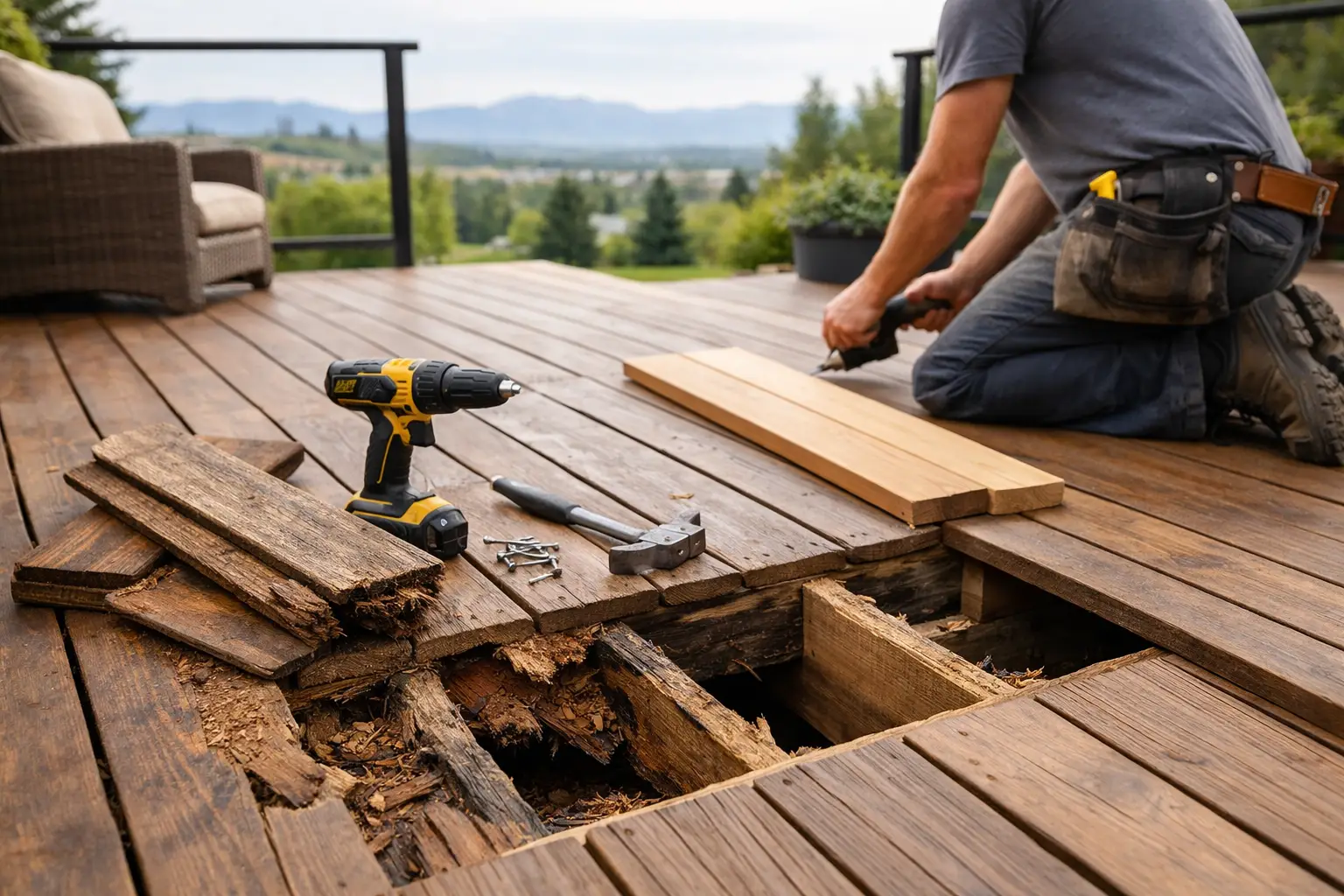
Calgary weather is hard on outdoor structures. When fence boards split, deck boards rot, or a windstorm leaves branches and damaged materials around the yard, cleanup can be more work than the repair itself.
Old wood, branches, bagged yard waste, damaged planters, and dismantled outdoor furniture are common removal items. If the debris comes from a deck or fence repair, having it removed right away means your yard is usable sooner and materials are not left exposed to rain, wind, or curious pets and children.
Move-Out and Rental Property Cleanouts
Rental turnovers often come with a deadline. There may be furniture in the basement, boxes in a storage room, old appliances waiting in the garage, or general clutter left throughout the unit. The priority is not only removing the items but clearing the property quickly enough for repairs, cleaning, and the next tenant.
For landlords and property managers, it helps to have one point of contact who can remove debris and complete smaller follow-up tasks such as patching walls, adjusting doors, replacing fixtures, or handling touch-up painting. That can reduce the back-and-forth that slows down a turnover.
What May Need Special Handling
Not everything should go into a standard debris load. Hazardous, regulated, or unusually heavy materials may need a specialized disposal route. This can include paint, chemicals, fuels, propane cylinders, batteries, asbestos-containing materials, contaminated waste, and certain electronics or appliances.
If you are not sure what an item contains, do not break it apart or bag it with general renovation waste. Older flooring, textured ceilings, insulation, pipe wrap, and adhesives may require assessment before removal. The same applies to anything with mould damage or water contamination.
Tell your service provider about these items before the appointment. Clear information prevents surprises on site and helps ensure the material is handled responsibly. It may mean arranging a separate solution, but that is better than creating a health risk or an avoidable disposal problem.
How Debris Removal Pricing Is Usually Determined
The fairest price is based on the real scope of the job, not a vague guess made before anyone sees the pile. Volume matters, but it is not the only factor. Heavy materials such as concrete, soil, tile, or large amounts of drywall can cost more to handle than the same amount of light cardboard or household items.
Access also affects the work. A neat pile beside a driveway is quicker to remove than a load carried up basement stairs, through a narrow hallway, or from a backyard with limited access. Sorting requirements, disposal fees, and the need for demolition or disassembly can also affect the final cost.
Before booking, take a few clear photos and include a wide shot for scale. Mention where the debris is located, whether there are stairs, and whether anything is especially heavy or requires dismantling. That gives you a more accurate estimate and makes it easier to schedule the right amount of time.
Prepare the Area Without Doing All the Work Yourself
You do not need to turn debris removal into another full weekend project. If you can, separate personal belongings and anything you plan to keep from the items being removed. Point out fragile surfaces, tight access points, and any materials that require special handling.
For a larger pile, keeping loose nails, glass, and sharp pieces contained is helpful. Bags, bins, or a clearly marked area can make the pickup safer. But do not risk injury trying to move heavy furniture, overloaded boxes, or awkward demolition material by yourself just to make it easier for someone else.
If the removal is part of a repair project, timing matters. It often makes sense to schedule removal after demolition and before installation or finishing work begins. A clean work area gives the next stage of the job room to move and reduces the chance of fresh materials being damaged by old debris.
Why Tidy Removal Matters
Hauling things away is only part of a proper service. The difference between a rushed pickup and careful workmanship is what is left behind: loose screws in the driveway, drywall dust in the hallway, scuff marks on a wall, or bits of wood scattered across the lawn.
A professional approach includes protecting the route through your home where needed, lifting items carefully, and doing a final sweep of the work area. That attention matters whether the job is one old couch or the remains of a bathroom refresh. You should not have to clean up after the cleanup.
Nestor’s Home Help provides practical debris removal alongside small repairs, demolition, yard work, and property maintenance in Calgary and nearby communities. That is useful when the pile is only one part of a longer to-do list. Instead of watching it grow in the garage, take a few photos, identify what needs to go, and arrange help before the mess becomes another unfinished project.
Vitalii Nestorenko is the owner of Nestor's Home Help, a licensed and insured handyman business in Calgary. He holds a Master's degree in mechanical engineering and does every job himself.