Minor Electrical Work You Should Not Put Off
By Vitalii Nestorenko · August 15, 2026 · 6 min read
A flickering kitchen light, a loose outlet, or a bathroom fan that has stopped working may seem like small problems. But minor electrical work deserves more care than most homeowners expect. A quick fix can improve comfort and safety, while the wrong repair can create shock, fire, or code concerns behind the wall.
The practical approach is simple: deal with small electrical issues early, understand what the job involves, and bring in a qualified professional when the wiring, circuit, or safety of the home is in question. That saves time, protects your property, and prevents a minor repair from becoming an expensive emergency.
What Counts as Minor Electrical Work?
Minor electrical work generally means a contained repair or replacement that does not involve changing your home's service, adding major new circuits, or opening large areas of wall and ceiling. Common examples include replacing an existing light fixture, changing a damaged switch plate, installing a new smoke or carbon monoxide alarm, replacing a worn outlet, or troubleshooting a simple fixture issue.
The word “minor” describes the size of the job, not the risk. Even a standard outlet is connected to wiring that can be hazardous if the circuit is live, incorrectly wired, overloaded, or damaged. Older Calgary homes can also have surprises hidden behind a seemingly ordinary cover plate, including aging wiring, loose connections, or previous work that was not completed properly.
A light fixture replacement may be straightforward when the electrical box is secure, the circuit is in good condition, and the new fixture suits the location. It becomes a different job when the box is loose, the wires are brittle, the fixture is heavy, or the room is a bathroom, kitchen, exterior area, or another location exposed to moisture.
Why Small Electrical Problems Should Not Wait
Electrical issues rarely become less inconvenient on their own. A loose outlet can stop holding a plug, then become warm from a poor connection. A flickering light may be caused by a simple bulb or fixture issue, but it can also point to a loose wire or a circuit problem. A breaker that trips repeatedly is doing its job by shutting off power, and resetting it over and over without finding the cause is not a repair.
There is also a practical reason to act quickly. Small jobs are easier to schedule, diagnose, and complete before they affect daily routines. You do not want to find out that the bathroom fan, kitchen outlet, or stairway light needs attention when guests are arriving, tenants are moving in, or you are preparing a property for sale.
For busy households, handling several small repairs in one visit can make good sense. If a room needs a new light fixture, a loose outlet checked, and a smoke alarm replaced, coordinating the work together is often more efficient than putting each item off for another month.
Signs You Need a Qualified Electrician
Some tasks call for an electrician right away rather than a general repair visit. Stop using the affected circuit if you notice any of the following:
- A burning smell, scorch marks, buzzing, crackling, sparks, or a warm outlet or switch
- Breakers that trip repeatedly or fuses that continue to blow
- Lights that dim or flicker throughout more than one room
- Water near an outlet, panel, fixture, or exposed electrical wiring
- Damaged, frayed, aluminium, or visibly deteriorating wiring
- A need for a new circuit, panel work, service upgrade, or substantial rewiring
These signs can indicate a problem beyond a fixture or device replacement. They need proper diagnosis, and electrical work requiring permits or specialized licensing should be completed by the appropriate qualified trade professional. The right person will inspect the issue instead of covering up a symptom and hoping it stays quiet.
Common Jobs That Benefit From Professional Help
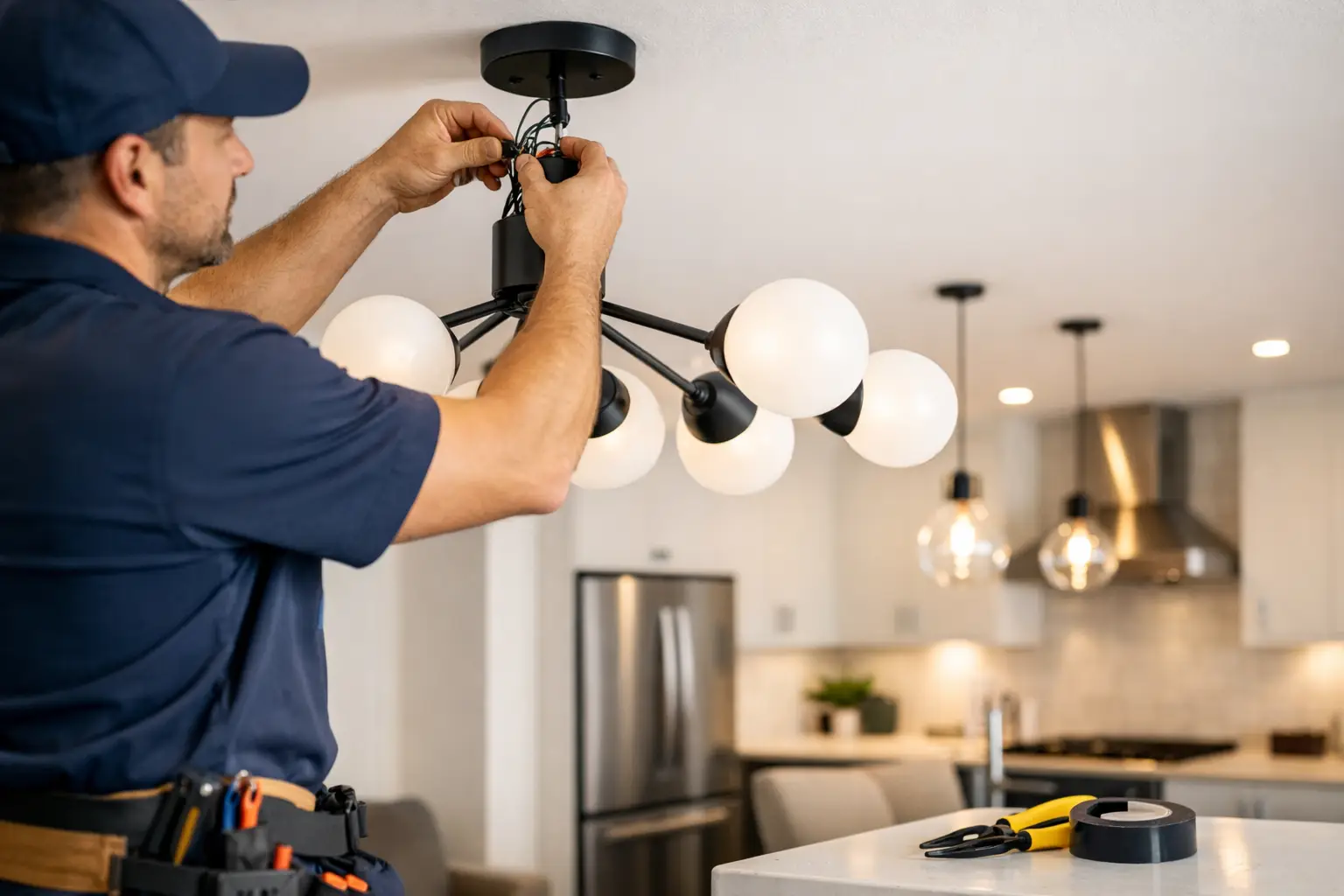
Replacing a ceiling light is one of the most common requests because it seems simple until the old fixture comes down. The mounting box may not support the new fixture, wires may be short, or the new light may need to be assembled and aligned carefully. A professional can make sure the fixture is secure, level, and operating as intended, then clean up the packaging and old hardware.
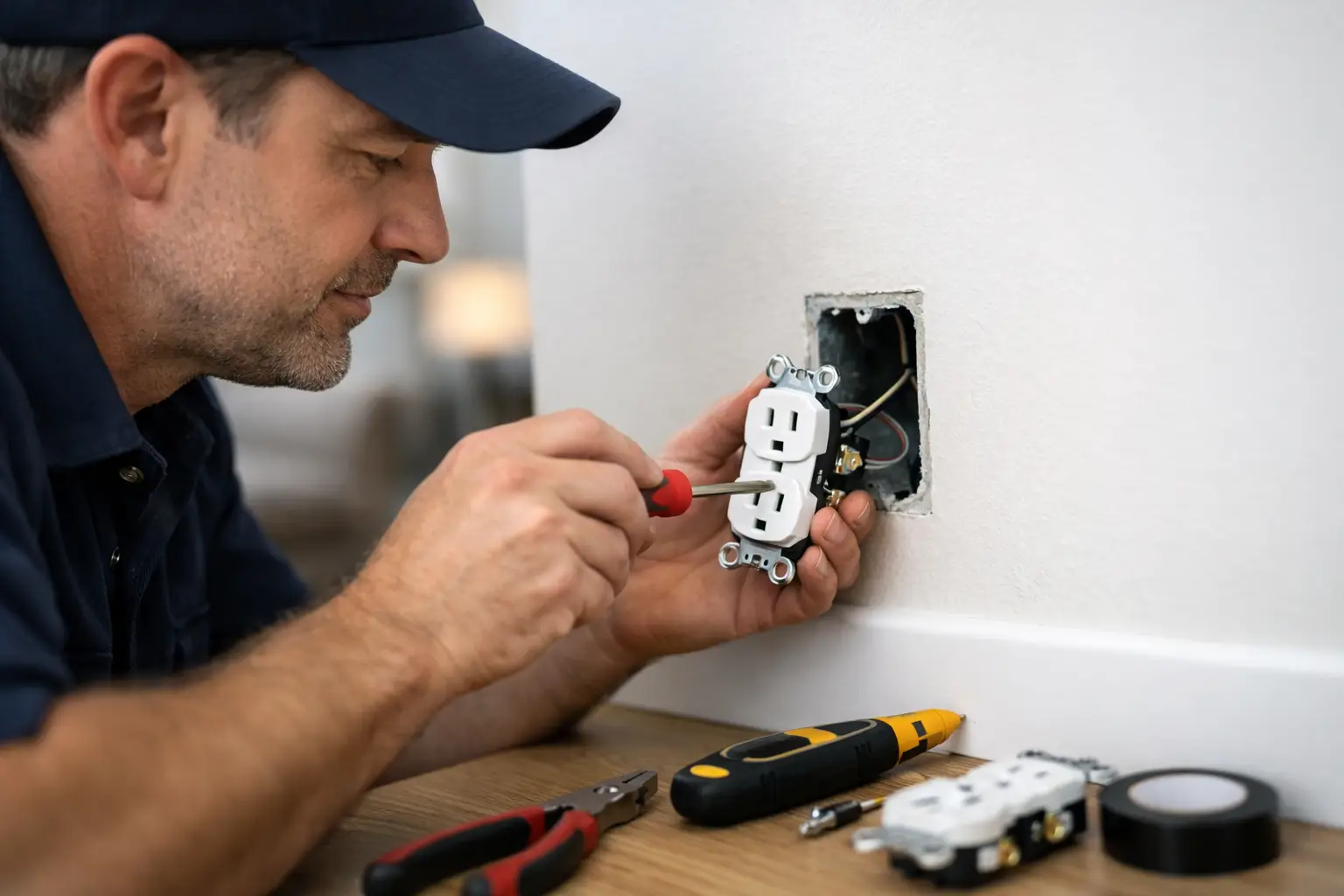
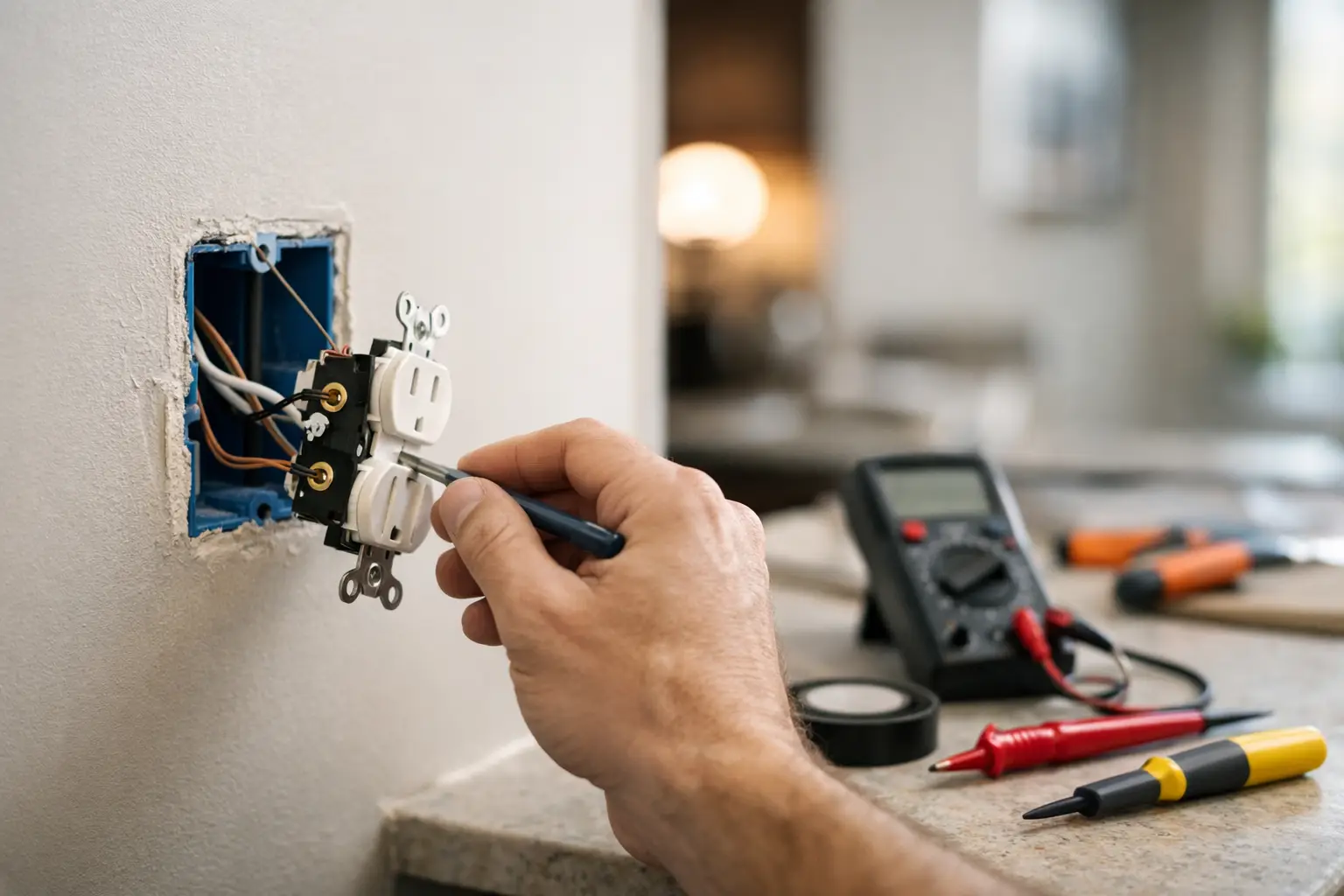
Outlet and switch replacement is another job where neat workmanship matters. Cracked cover plates and tired-looking devices make a room feel unfinished, but the real goal is a safe, solid installation. In kitchens, bathrooms, garages, and exterior locations, the type of device and its protection requirements can matter just as much as how it looks.
Bathroom fans, smoke alarms, doorbell transformers, and under-cabinet lighting also fall into the category of smaller projects that can become technical quickly. The best service is not just fast installation. It is someone who checks the existing condition, explains what is practical, and tells you honestly when an electrician should take over.
A Safer Way to Plan the Job
Before booking minor electrical work, make a short note of what is happening. Is the outlet loose? Does the fixture flicker only when another appliance is running? Has the breaker tripped? Is there any sign of heat or water? A clear description helps the person attending arrive prepared and helps determine whether the job is within scope.
It also helps to have the new fixture, switch, outlet, or alarm on hand when possible. Check its size, weight, finish, and location requirements before buying. A heavy chandelier, for example, may need more support than a lightweight flush-mount fixture. If you are unsure which product to choose, take photos and ask before the appointment rather than opening several boxes and hoping one will fit.
On the day of service, clear a path to the electrical panel and the work area. Move fragile items from below ceiling fixtures and keep children and pets out of the room while work is underway. These small steps let the job move faster and allow the work area to be left clean when it is finished.
Cost, Timing, and the Value of Doing It Once
The cost of minor electrical work depends on the device, access, condition of the existing wiring, and whether one task turns into troubleshooting. Replacing a simple customer-supplied fixture is different from investigating a non-working circuit or correcting an unsafe electrical box. Clear pricing guidance and an upfront conversation about the scope help avoid surprises.
Same-day service can be useful for straightforward repairs, especially when a working light, outlet, or fan affects daily life. Availability will depend on the schedule and the nature of the issue. For urgent warning signs such as smoke, sparking, or a burning smell, turn off power if it is safe to do so and seek immediate qualified electrical assistance rather than waiting for a regular repair appointment.
Nestor’s Home Help approaches small home jobs with the same care as larger ones: arrive prepared, protect the work area, communicate clearly, and leave the space tidy. For light fixture and outlet replacement within an appropriate scope, that personal attention is often exactly what a homeowner, renter, or landlord needs.
Rental Homes and Property Turnovers
Landlords often find electrical concerns during a turnover, when a tenant reports a dead outlet, missing smoke alarm, damaged switch plate, or broken light fixture. Handle these items before the next move-in whenever possible. A working, well-lit home makes a better first impression and reduces last-minute maintenance calls.
Renters should report electrical problems promptly rather than attempting a repair without approval. A loose or damaged outlet is not a cosmetic issue, and modifying fixtures or wiring can create responsibility problems as well as safety risks. Photos, a short description, and notice of any heat, smell, or breaker tripping give the owner or property manager the information needed to act.
The Right Repair Brings Peace of Mind
You should not have to live with a light that flickers, an outlet you do not trust, or a list of small home repairs that keeps growing. Address the issue while it is still manageable, choose help that respects the limits of the work, and expect careful workmanship in your home. A properly finished small repair is one less thing competing for your attention tomorrow.
Vitalii Nestorenko is the owner of Nestor's Home Help, a licensed and insured handyman business in Calgary. He holds a Master's degree in mechanical engineering and does every job himself.