Outlet Replacement Calgary: When to Call for Help
By Vitalii Nestorenko · September 20, 2026 · 7 min read
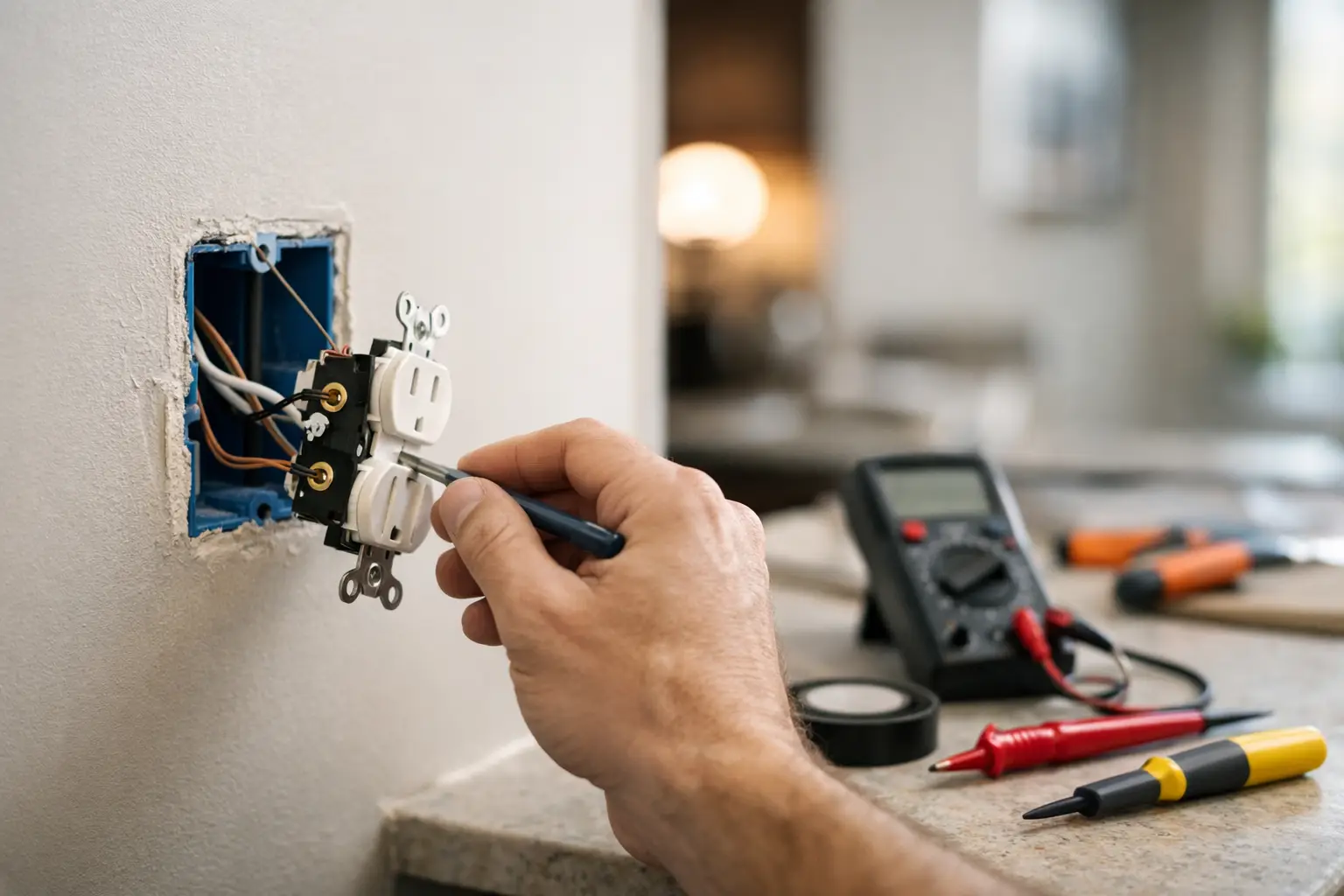
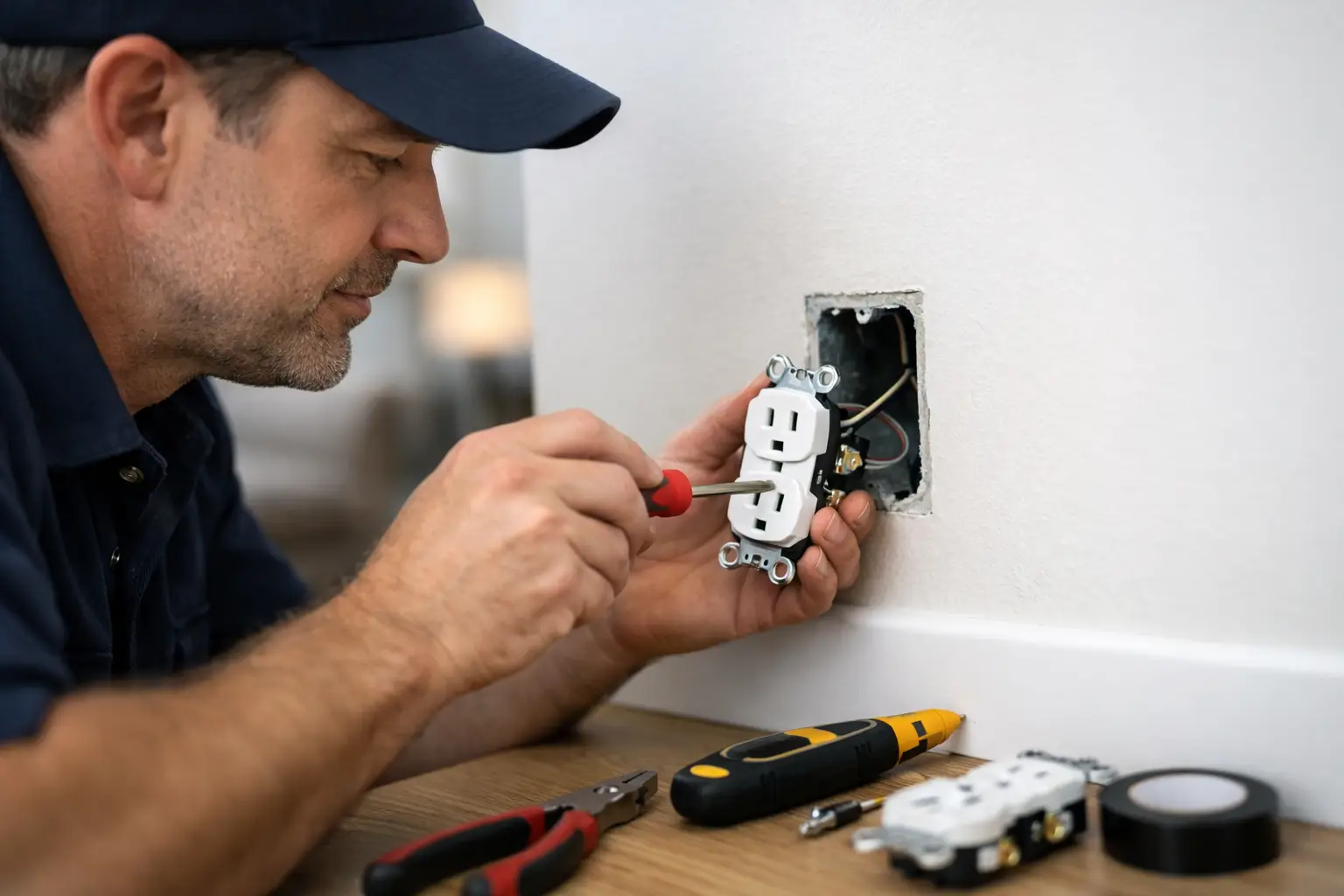
A loose outlet is more than an everyday annoyance when a plug keeps falling out. A warm faceplate, a crackling sound, or a receptacle that stops working can disrupt your routine and point to a problem behind the wall. For outlet replacement Calgary homeowners, renters, and landlords can rely on, the goal is simple: identify the issue properly, make the repair safely, and leave the room clean when the job is done.
Replacing an outlet may look like a small task, but the right fix depends on what caused the problem. Sometimes the receptacle itself is worn out. Other times, the issue involves a tripped GFCI, a damaged connection, an overloaded circuit, or ageing wiring. Getting a clear answer before work begins prevents repeat problems and unnecessary expense.
When Outlet Replacement Calgary Homes Need Is Urgent
Not every faulty outlet is an emergency, but some warning signs should not be ignored. If an outlet feels hot, smells burnt, sparks repeatedly, makes buzzing or crackling sounds, or shows scorch marks, stop using it. Unplug anything connected to it if it can be done safely, and arrange professional help promptly.
A plug that slips out of the outlet is another common reason for replacement. The internal contacts can wear down over time, especially in high-use areas such as kitchens, home offices, living rooms, and rental units. Loose connections can create heat, so it is better to replace a worn receptacle than keep forcing a plug into place.
Outlets that are cracked, discoloured, or physically loose in the wall also deserve attention. A damaged cover plate is one thing. An outlet that moves when you insert a plug may have a loose electrical box or connection behind it. That needs to be assessed rather than covered up with a new faceplate.
If several outlets stop working at once, replacement may not be the answer. Check whether a breaker has tripped and whether a GFCI outlet elsewhere in the home needs resetting. Bathrooms, kitchens, garages, laundry areas, unfinished basements, and exterior outlets are often connected to GFCI protection. If the problem keeps returning after a reset, it is time to have the circuit inspected.
Choosing the Right Type of Replacement Outlet
A standard receptacle replacement is often all that is required, but the location and intended use matter. Modern tamper-resistant outlets have built-in shutters that help prevent children from inserting objects into the slots. They are a practical choice for most living spaces and are especially worthwhile in homes with young children.
GFCI outlets are designed to shut off power quickly when they detect an imbalance in the circuit. They are commonly used where water is present or likely, including bathrooms, kitchens, garages, laundry rooms, and outdoor locations. A GFCI outlet can be a smart upgrade, but correct placement and circuit protection matter. The best option depends on the existing wiring and the area of the home.
For a desk, bedside table, or kitchen counter, an outlet with built-in USB charging can reduce charger clutter. It is convenient, but not every USB receptacle offers the same charging speed or fits every electrical box. A quality product and proper installation make a difference, particularly in a high-use location.
Some homes also have special outlet needs for appliances, garage tools, electric vehicle charging equipment, or older wiring systems. These are not situations to solve with a basic receptacle swap. The circuit capacity, wire condition, and required protection should be considered before adding a higher-demand device.
Why the Cause Matters More Than the Faceplate
A new outlet can look perfect and still fail to solve the underlying problem. For example, a dead receptacle may be connected to a loose wire at another outlet on the same circuit. A frequently tripping GFCI may be responding to moisture, a worn appliance, or a fault further down the line. Replacing only the visible outlet can leave the real issue untouched.
Older Calgary homes can present additional variables, including dated receptacles, crowded boxes, previous DIY work, or wiring that requires more careful assessment. There is no benefit in guessing. A careful service call starts by checking what is happening at the outlet, then determining whether a straightforward replacement is appropriate.
This is also why cosmetic upgrades should be handled with care. Changing a beige outlet and plate to a modern white, black, or decorative finish can freshen a room quickly. But if the outlet is loose, damaged, or incorrectly wired, the priority is correcting the condition behind the plate before focusing on appearance.
What a Professional Outlet Service Visit Should Include
A good outlet replacement visit should feel organized from the first conversation. You should be able to explain the issue in plain language: the outlet is loose, it will not hold a plug, it has no power, it is warm, or you want an upgrade. That gives the service provider a useful starting point and helps set expectations for the appointment.
On site, the work should begin with an assessment of the outlet and its condition. Power must be handled safely, the replacement should suit the location, and the outlet should be secured properly in the wall. Once complete, the receptacle should be tested and the work area left tidy.
For homeowners with several small jobs waiting, it can make sense to book them together. A worn outlet, loose door handle, drywall touch-up, caulking repair, and light fixture replacement can often be handled in one practical visit. That means less time coordinating separate appointments and fewer unfinished tasks around the home.
Nestor’s Home Help provides owner-operated, licensed and insured home services for the small but important repairs that keep a property working properly. Clear communication, punctual arrival, and careful cleanup matter just as much as the repair itself.
Outlet Replacement for Rentals and Investment Properties
Landlords need repairs handled promptly, particularly when a tenant reports a warm, damaged, or non-working outlet. A quick response protects the property, helps maintain a safe living environment, and reduces the chance of a minor issue becoming a larger repair.
For tenants, it is best to report outlet problems instead of attempting a repair yourself. Take note of what happened, whether other outlets are affected, and whether an appliance was plugged in when the issue occurred. Those details help the owner or service provider troubleshoot efficiently.
Vacant rental turnovers are also a practical time to replace loose, cracked, or mismatched outlets and plates. Small updates make a unit look better maintained and can prevent avoidable maintenance calls after a new tenant moves in.
What Affects Outlet Replacement Cost?
The price for outlet work depends on more than the cost of the receptacle. A simple replacement in an accessible location is different from diagnosing a dead circuit, repairing a damaged box, replacing a GFCI outlet, or addressing wiring concerns. The number of outlets being replaced, the outlet type, and the condition found behind the wall can all affect the scope.
The most useful approach is transparent pricing guidance before work begins, followed by an honest explanation if the job turns out to require more than a standard replacement. That lets you make an informed decision instead of being surprised after the work is underway.
When comparing service options, look beyond the lowest initial number. Confirm that the provider is qualified for the work, insured, clear about what is included, and willing to explain the repair without talking over you. A properly completed outlet repair should give you confidence every time you plug something in.
Common Questions About Replacing Outlets
Can I replace just one outlet if others are old?
Yes. Replacing one worn or damaged outlet is common. If several receptacles are loose, discoloured, or no longer hold plugs well, replacing them during the same visit may be more efficient.
Why does my outlet work sometimes but not always?
Intermittent power can be caused by a worn receptacle, a loose connection, a tripped GFCI, or a problem elsewhere on the circuit. Because the cause is not always visible, it should be assessed instead of repeatedly resetting breakers or wiggling plugs.
Should I upgrade to a GFCI outlet?
It depends on the outlet location and existing circuit protection. Areas exposed to moisture often require GFCI protection. A professional assessment can confirm whether a GFCI outlet is the right solution or whether protection is already provided elsewhere on the circuit.
A working outlet is easy to take for granted until it becomes unreliable. If yours is loose, damaged, warm, or simply overdue for an upgrade, dealing with it now is a straightforward way to make your home safer, cleaner, and easier to use.
Vitalii Nestorenko is the owner of Nestor's Home Help, a licensed and insured handyman business in Calgary. He holds a Master's degree in mechanical engineering and does every job himself.