Can a Handyman Install Toilets? What to Know
By Vitalii Nestorenko · September 2, 2026 · 6 min read
A toilet that rocks, leaks at the base, flushes poorly, or simply looks dated can turn into a bigger headache than it first appears. So, can a handyman install toilets? In many cases, yes. A capable, insured handyman can replace a standard existing toilet when the plumbing connections are sound and the work does not involve changing pipes, drains, or venting.
The key is knowing where a straightforward replacement ends and licensed plumbing work begins. A good handyman will be honest about that line, inspect the job before starting, and recommend a plumber when the scope calls for one. That protects your home, your budget, and your peace of mind.
When a Handyman Can Install a Toilet
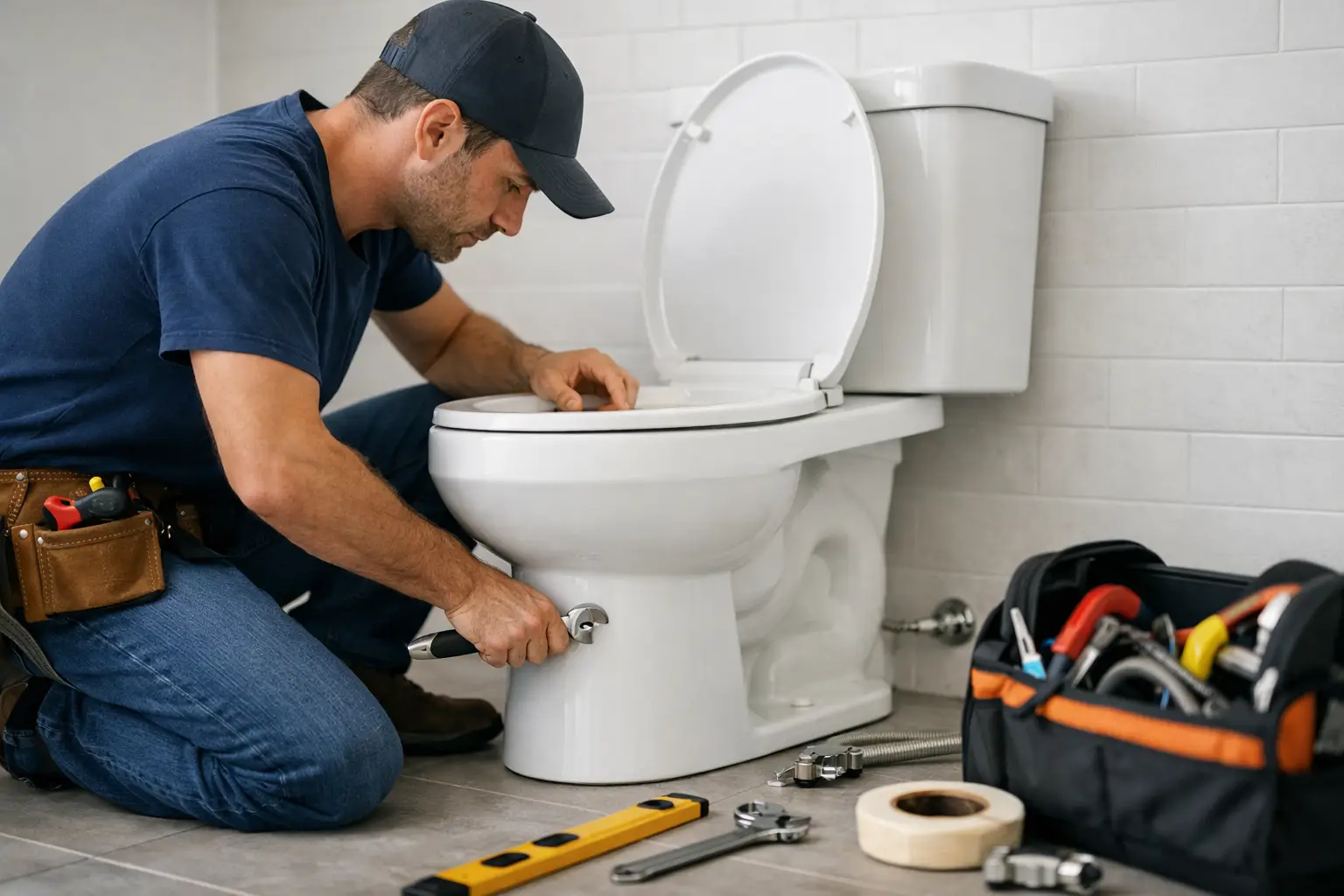
Replacing one standard floor-mounted toilet with another is often a practical handyman job. The work usually involves shutting off the water, disconnecting the old toilet, removing it carefully, checking the flange and floor condition, fitting a new wax ring or approved seal, securing the new unit, reconnecting the water line, and testing for leaks and proper flushing.
This is especially suitable when the new toilet is going into the same location and uses the same basic connection. Many Calgary homeowners choose to replace older toilets with water-efficient models, comfort-height units, or a style that better suits a bathroom refresh. When the installation is uncomplicated, hiring one dependable professional for removal, installation, caulking, cleanup, and a few related repairs can save time compared with coordinating separate trades.
A handyman may also be a good fit when the toilet replacement is part of a small list of jobs. For example, a homeowner may need a vanity adjusted, a towel bar installed, fresh caulking around the tub, and drywall touch-ups after a minor repair. Combining compatible jobs into one visit is often the most convenient option.
When a Plumber Is the Better Choice
A toilet install becomes more involved when there is a problem behind or below the fixture. If the toilet is leaking from a damaged drain pipe, the shutoff valve will not close, the flange is broken, or the floor around the toilet has water damage, the work may require plumbing repairs or more extensive restoration.
A plumber is generally the right call if you need to move the toilet, change drain locations, install new water supply lines within walls, alter venting, or deal with recurring backups. These situations can require permits, inspections, and work that must meet Alberta plumbing requirements. Local rules and the exact scope matter, so it is wise to confirm what is required before work begins.
The same applies to unusual fixtures. Wall-hung toilets, concealed cisterns, macerating toilets, bidet toilet systems with electrical or specialized water connections, and commercial-style units may need more specialized installation. A homeowner should not assume that every toilet replacement is a simple swap just because the old fixture is coming out.
A trustworthy service provider will not force a handyman solution onto a plumbing problem. If there is any doubt about the drain, supply, venting, or permit requirements, bringing in the right licensed trade early is usually less expensive than repairing a rushed installation later.
What a Proper Toilet Replacement Should Include
Toilet replacement is not just a matter of tightening two bolts and hoping for the best. The work needs careful preparation because the seal under the toilet is what prevents odours and wastewater from escaping into the bathroom floor area.
First, the water supply should be turned off and checked. Older shutoff valves can seize or start dripping when operated for the first time in years. The old toilet then needs to be removed without damaging nearby flooring, baseboards, or the flange connection.
Once the toilet is off, the installer should inspect the flange, bolts, and surrounding subfloor. A soft floor, corroded flange, cracked tile, or visible staining may point to a longer-term leak. Installing a new toilet over a damaged area without addressing the cause is not a proper repair.
The new toilet must sit level and stable. It should not rock when weight is applied. Bolts should be tightened carefully, since overtightening can crack porcelain. After the supply line is connected, the toilet should be flushed multiple times while the installer checks the base, tank connections, shutoff valve, and supply line for leaks.
A clean finish matters too. Caulking around the base can create a more polished look and help keep dirt out of the gap between the toilet and flooring. However, installers may leave a small section uncaulked at the back so a future leak is easier to spot. The best approach depends on the bathroom, the flooring, and local practice.
Can a Handyman Install Toilets in a Rental Property?
Landlords often need toilet replacements completed quickly, particularly between tenants or when a unit has only one bathroom. A handyman can be a convenient choice for a like-for-like replacement, provided the property owner approves the work and the job does not require regulated plumbing changes.
For rental properties, speed should never replace documentation. Keep a record of the toilet model, installation date, invoices, photos of any pre-existing floor damage, and notes on repairs that were recommended. This helps with maintenance planning and creates a clear history if a leak or drainage issue appears later.
Tenants should report a leaking toilet promptly rather than repeatedly tightening bolts, using drain chemicals, or placing towels around the base. Water can travel under flooring and cause damage that is not visible until it becomes costly.
How to Prepare for a Toilet Installation
A little preparation makes the appointment faster and helps avoid surprises. Before booking, measure the rough-in distance: this is the distance from the finished wall behind the toilet to the centre of the drain bolts. A 12-inch rough-in is common, but 10-inch and 14-inch versions exist. Buying the wrong toilet can delay the job or leave an awkward gap behind the tank.
Measure the bathroom doorway and the path from the entry to the bathroom as well. Some one-piece toilets and boxed units are bulky, especially in smaller condos, older homes, or tight basement bathrooms.
If you have already purchased the toilet, keep all parts, bolts, seats, trim caps, and instructions together. Let the installer know whether you need the old unit removed from the property. It is also helpful to clear toiletries, bath mats, and storage items from the work area before the appointment.
If the existing toilet has been leaking, mention it when you request service. A photo of the base, flooring, shutoff valve, and back of the toilet can help identify whether the job appears to be a simple replacement or may need a closer inspection.
Questions to Ask Before You Book
You do not need to be a plumbing expert to hire confidently. Ask whether the provider handles standard toilet replacement, whether they are insured, what is included in the service, and what happens if they find a damaged flange or soft flooring. Clear answers are a good sign.
It is also reasonable to ask about disposal, supply lines, seals, and whether the quoted price includes testing and cleanup. Entry-level pricing can be useful, but it should be clear what work is covered and what conditions could create an additional charge. No one likes surprises after a bathroom fixture has already been removed.
For homeowners in Calgary, Airdrie, Okotoks, and Cochrane, Nestor's Home Help can help with straightforward toilet replacement along with many of the small repairs that often come up around the same time. If the job reveals a plumbing issue outside the proper handyman scope, the right next step is to address it properly rather than cover it up.
A new toilet should feel like one less thing to worry about: stable underfoot, cleanly finished, flushing properly, and dry at every connection. Start with an honest assessment of the work, choose a qualified professional for the scope, and deal with any warning signs before they become damage beneath your bathroom floor.
Vitalii Nestorenko is the owner of Nestor's Home Help, a licensed and insured handyman business in Calgary. He holds a Master's degree in mechanical engineering and does every job himself.