When to Replace Smoke Detectors in Your Home
By Vitalii Nestorenko · November 1, 2026 · 6 min read
A smoke alarm can look perfectly fine on the ceiling and still be past its safe working life. That is why knowing when to replace smoke detectors matters more than simply changing batteries when they chirp. These devices are small, but they are one of the first lines of warning your household gets during a fire.
For most homes, the rule is straightforward: replace the entire smoke alarm every 10 years, test it monthly, and respond quickly to any alarm that is unreliable, damaged, or repeatedly chirping. The details matter, though, especially in older Calgary homes, rental properties, and houses with hardwired interconnected alarms.
Replace smoke detectors every 10 years
Smoke detectors do not last forever. The sensing components inside them gradually lose accuracy due to age, dust, humidity, insects, cooking residue, and normal wear. A fresh battery may stop a chirp, but it does not renew an aging sensor.
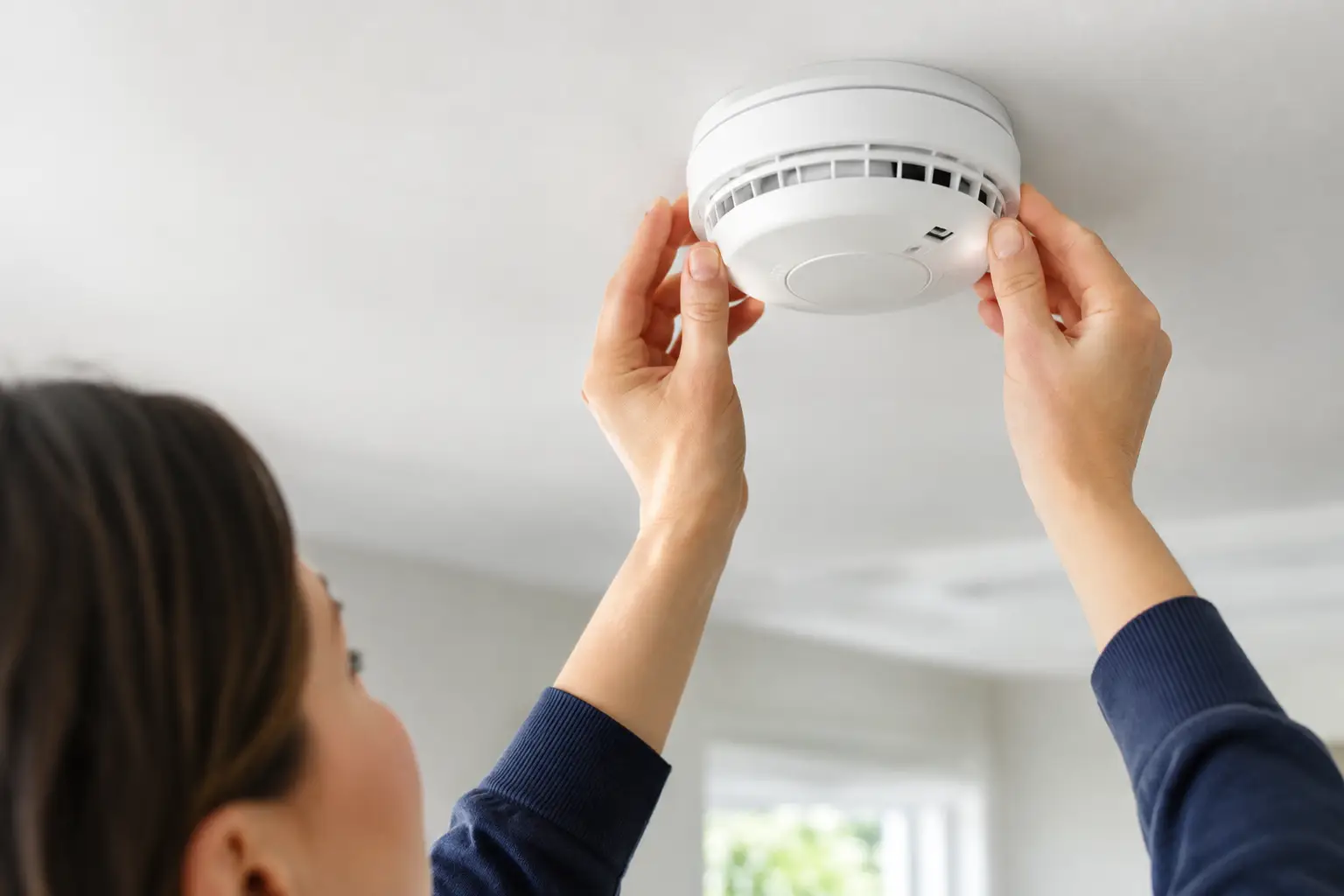
Most smoke alarms have a manufacturer date printed on the back or inside the unit. Remove the alarm from its mounting plate and look for a label showing the date of manufacture. If it is 10 years old or older, replace it, even if the test button still sounds the alarm.
Do not confuse the manufacture date with the installation date. If a previous owner installed a detector years after it was made, the 10-year countdown still starts from the manufacturing date. If no date is visible or you cannot tell how old the alarm is, replacement is the safer choice.
Why the test button is not the whole test
Pressing the test button confirms that the battery, circuitry, and alarm horn can operate. It does not fully prove that the smoke-sensing chamber will detect smoke properly. That is why an alarm can pass a button test and still be due for replacement.
A monthly button test is still worth doing. It catches dead batteries, wiring issues, and units that have been accidentally switched off or disconnected. Just treat it as regular maintenance, not evidence that a 12-year-old detector is still dependable.
Replace an alarm sooner when it shows warning signs
A 10-year replacement schedule is the baseline. Some smoke alarms need attention sooner, particularly after renovations, water damage, or repeated false alarms. Replace the unit if it behaves unpredictably or has been exposed to conditions that may have affected its sensor.
Watch for these signs:
- The alarm chirps after you install the correct new battery or after its backup battery has been replaced.
- It sounds frequent false alarms without an obvious cause, even after careful cleaning and proper placement checks.
- The casing is yellowed, cracked, stained, loose, painted over, or damaged.
- It has been exposed to a roof leak, plumbing leak, heavy construction dust, or smoke from a small kitchen fire.
- The alarm does not sound during a button test, or sounds weak and inconsistent.
Before replacing a nuisance alarm, check whether its location is the real problem. Smoke alarms placed too close to kitchens, bathrooms, supply vents, fireplaces, or dusty workshops can trigger more often than they should. Moving a correctly rated alarm to a better location may solve the issue. However, an alarm that has reached its expiry date should be replaced regardless of where it is installed.
Know what type of smoke alarm you have
Not every alarm works the same way, and replacement is not always a simple matter of buying a new unit and twisting it into place. Your home may have battery-operated alarms, hardwired alarms with battery backup, or interconnected units that all sound when one detects danger.
Battery-operated alarms are generally the simplest to replace. Many newer models use sealed 10-year lithium batteries. With these units, you do not replace the battery each year. You replace the entire detector when it reaches the end-of-life date or signals that it has expired.
Hardwired alarms need more care. They are connected to your home's electrical system, usually with a backup battery in case of a power outage. If one hardwired unit fails, it may affect the interconnected warning system. Compatible replacement matters because connectors, mounting plates, and interconnection systems can vary by brand and model.
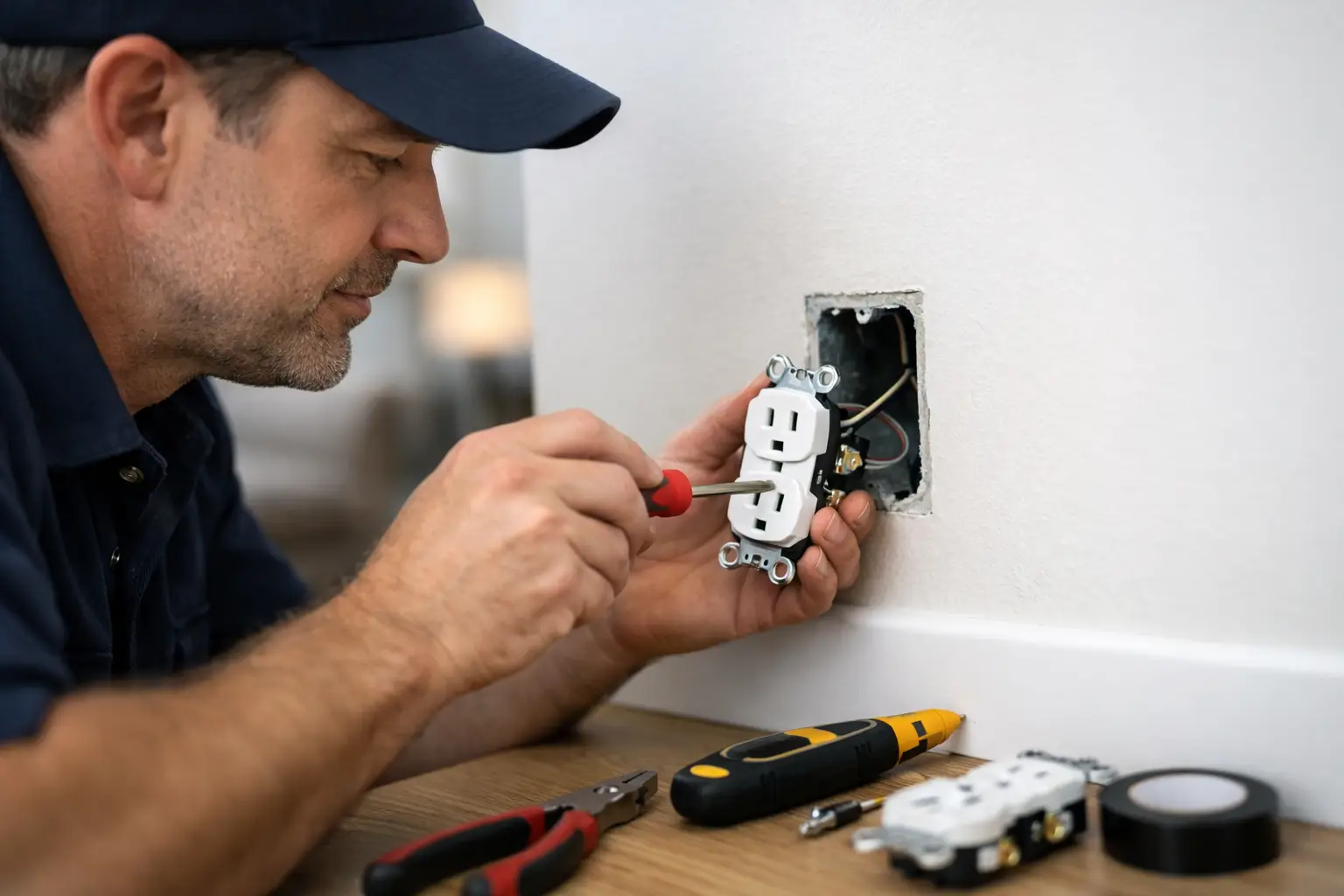
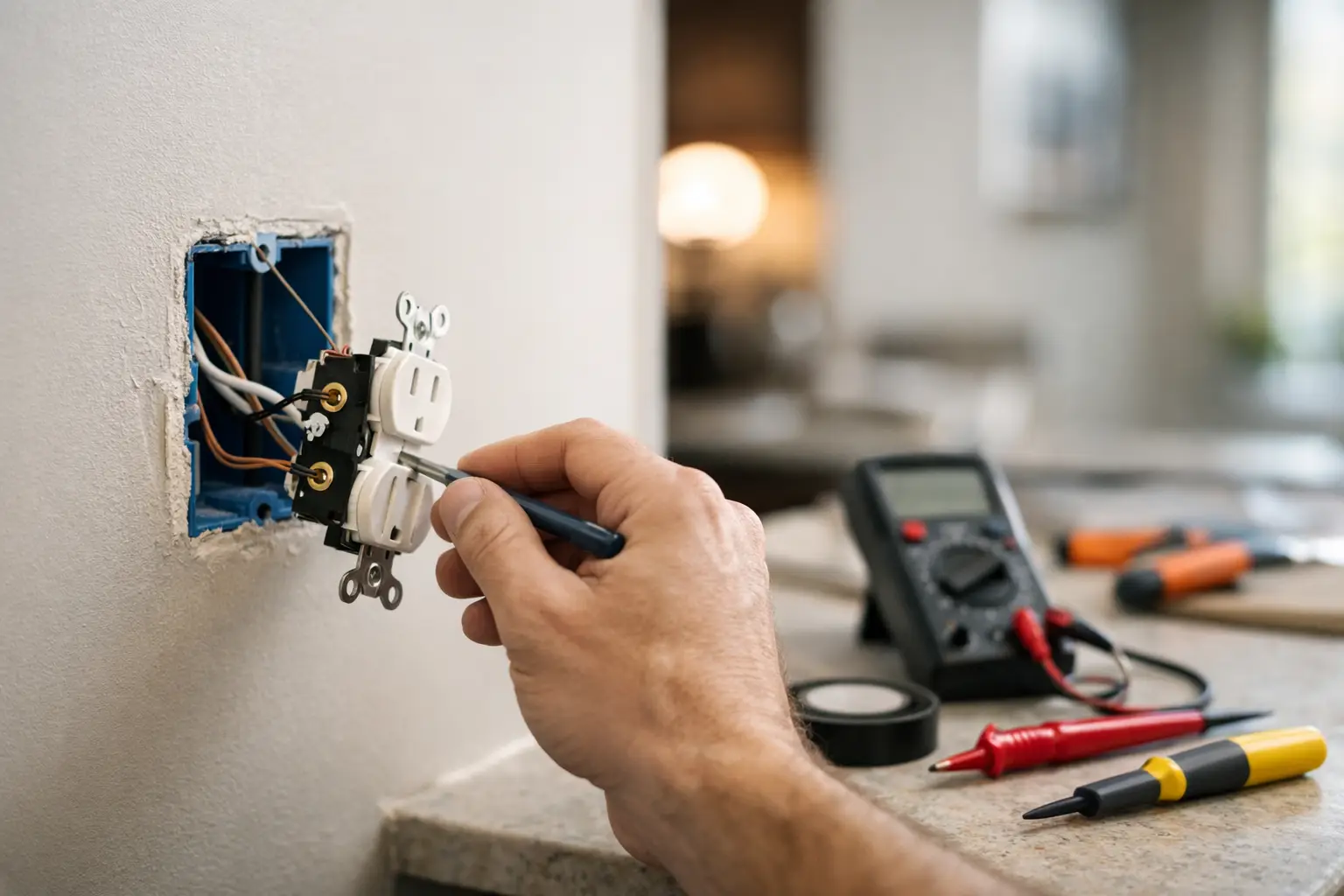
If you are replacing hardwired alarms, avoid guessing. Turn off power at the breaker before touching electrical connections, and confirm that every unit sounds when tested after installation. A handyman can handle a straightforward replacement, but damaged wiring, an unfamiliar electrical setup, or repeated circuit problems should be checked by a qualified electrician.
Do not forget carbon monoxide alarms
Smoke alarms and carbon monoxide alarms do different jobs. Smoke alarms detect products of combustion that may indicate fire. Carbon monoxide alarms detect a colourless, odourless gas produced by fuel-burning appliances, fireplaces, attached garages, and other combustion sources.
Some units combine both functions in one device. These combination alarms are convenient, but they still have an expiry date, often around 7 to 10 years depending on the model. Read the label rather than assuming the lifespan matches your smoke alarm.
In a home with a furnace, gas range, fireplace, or attached garage, carbon monoxide protection deserves the same attention as smoke detection. For rentals, landlords and property managers should also confirm that required alarms are present, functional, and maintained between tenancies. Local requirements can change, so use current Alberta and municipal guidance when planning upgrades.
Placement can make or break protection
A new smoke detector is only useful if it is installed in the right place. At a minimum, homes commonly need alarms on every storey, outside sleeping areas, and inside bedrooms where required. Larger homes, finished basements, and homes with separate sleeping wings may need more coverage.
Placement rules exist for a reason. Smoke rises, but ceiling corners, vaulted spaces, air vents, and open windows can affect how it travels. Avoid placing alarms right beside bathrooms, cooking appliances, or forced-air vents unless the alarm type and location are specifically suited to that area.
Photoelectric smoke alarms are often a practical choice near kitchens and sleeping areas because they tend to respond well to slow, smouldering fires and may create fewer cooking-related nuisance alarms than some older designs. Many fire-safety professionals recommend using both photoelectric and ionization sensing technologies, or a dual-sensor alarm, for broader protection. The best choice depends on the room, the layout, and the manufacturer's placement instructions.
If your alarms are near the end of their service life, it can be a good time to review the whole setup instead of replacing one unit at a time. A renovation, basement development, new bedroom, or changed floor plan may have created gaps in coverage.
A practical maintenance routine for busy households
Put smoke alarm checks on the same calendar reminder you use for seasonal home maintenance. Test each alarm monthly. Clean around vents and covers with a vacuum brush attachment a few times a year, without spraying cleaners or paint near the unit. Keep a record of manufacture dates, especially in rental homes or multi-unit properties.
For alarms with replaceable batteries, follow the manufacturer's instructions. The old advice to change batteries every time clocks change is easy to remember, but sealed-battery and hardwired models have different needs. Read the label on the actual unit rather than using one rule for every detector.
When several alarms were installed at the same time, they will usually reach end of life at roughly the same time. Replacing them together can save repeat trips up ladders, keep alarm types consistent, and make it easier to verify that interconnected units work properly.
Get the replacement done before it becomes urgent
A chirping smoke alarm at night is frustrating. A missing or expired smoke alarm is more serious. If you have several detectors to replace, high ceilings, hardwired units, or uncertainty about correct placement, getting practical help can remove the guesswork.
Nestor's Home Help can assist Calgary-area homeowners and landlords with straightforward smoke and carbon monoxide alarm replacement, mounting, testing, and related small home maintenance tasks. The goal is simple: leave your home tidy, make sure the units are secure, and make sure you know what was installed and when it should be replaced.
Check the date on one alarm today. If it is close to 10 years old, has no readable date, or has started acting up, do not wait for the next chirp to deal with it.
Vitalii Nestorenko is the owner of Nestor's Home Help, a licensed and insured handyman business in Calgary. He holds a Master's degree in mechanical engineering and does every job himself.